Indian Routes & TrailsA Signature of Excellence
The South Indian Tapestry: From Mumbai's Gateway to Karnataka's Palaces — Indian Routes & Trails
All Journeys
17 Days / 16 Nights October – Marchheritagespiritualculinary

The South Indian Tapestry: From Mumbai's Gateway to Karnataka's Palaces

A 17-Day Journey from Mumbai's Elephanta Caves through Tamil Nadu's Temples and Kerala's Backwaters to the Palaces of Mysore

MumbaiChennaiKanchipuramMahabalipuramPondicherryTanjoreTrichyMaduraiPeriyarKumarakomKochiOotyMysoreBangalore

Overview

About This Journey

This journey opens at Mumbai's Gateway of India — a boat cruise to the UNESCO Elephanta Caves, the Victorian Gothic grandeur of Chhatrapati Shivaji Terminus and the cultural quarter of Kala Ghoda — before flying south to Chennai. The Tamil Nadu temple circuit unfolds across several days: the 8th-century Pallava temples of Kanchipuram, the UNESCO rock-cut monuments of Mahabalipuram, the French Quarter and Matrimandir of Pondicherry, the great Brihadeshwara Temple at Tanjore built by Rajaraja Chola I in 1010 AD, the Srirangam island temple and Rock Fort at Trichy, and the Meenakshi Sundareshvara Temple evening ceremony at Madurai. The journey then transitions to Kerala — Periyar Tiger Reserve for a wildlife boat cruise and spice plantation tour, Kumarakom's backwaters on Vembanad Lake with its Karimeen and Konju, a traditional kettuvallam houseboat cruise to Alleppey, and the cosmopolitan spice-trading heritage of Kochi. The Nilgiri hills bring Ooty's UNESCO toy train, botanical garden, St. Stephen Church and tea plantations. The final act belongs to Karnataka — Srirangapatna and Tipu Sultan's Summer Palace en route to Mysore, then the magnificent Mysore Palace, Chamundi Hill, Devaraja Market and St. Philomena's Cathedral — before the journey concludes in Bangalore with Tipu Sultan Palace and Museum, ISKCON Temple, Vidhana Soudha and Lal Bagh Garden.

Highlights

Journey Highlights

Gateway of India, Elephanta Caves (UNESCO) and Chhatrapati Shivaji Terminus — Mumbai
Fort St. George, San Thome Cathedral, Bronze Museum and Kapaleswarar Temple — Chennai
Kailasanatha Temple, Ekambaranatha Temple and Kamakshi Amman Temple — Kanchipuram
Shore Temple, Arjuna's Penance and Panch Rathas (UNESCO) — Mahabalipuram
Matrimandir (Auroville), Aurobindo Ashram, Manakula Vinayakar Temple, Church of Our Lady of the Angels and French Quarter — Pondicherry
Brihadeshwara Temple (UNESCO), Rajaraja Museum and Art Gallery, Saraswati Mahal Library and Tanjore Palace — Tanjore
Srirangam Temple (21 gopuras, Thousand-Columned Mandapa) and Rock Fort — Trichy
Thirumalai Nayakar Palace, Meenakshi Amman Temple and Museum, Evening Temple Ceremony and flower market — Madurai
Periyar Wildlife Sanctuary: boat cruise on Periyar Lake and Spice Plantation tour — Periyar
Backwaters of Kerala: Kumarakom to Alleppey houseboat (kettuvallam)
Mattancherry Palace, St. Francis Church, Jew Town, Jewish Synagogue, Spice Market, Chinese fishing nets and optional Boat Cruise — Kochi
Toy train ride (UNESCO Nilgiri Mountain Railway), Botanical Garden, St. Stephen Church and Tea Plantation — Ooty
Srirangapatna, Darya Daulat Summer Palace, Mysore Palace, Chamundi Hill, Devaraja Market and Cathedral of St. Philomena — Mysore
Tipu Sultan Palace and Museum, ISKCON Temple, Vidhana Soudha and Lal Bagh Garden — Bangalore

Festival Timing

Time Your Journey

Dussehraperfect match

Mysuru Dasara — the grandest Dussehra celebration in South India — falls along this journey's Karnataka route.

Mysuru Dasaraperfect match

Mysuru Dasara — ten days of royal pageantry culminating in the Jumbo Savari — is one of India's greatest royal festivals.

Pongalgood match

Experience Pongal in Tamil Nadu — a four-day harvest thanksgiving that connects you directly to South India's agricultural soul.

Next: 14 January 2027 · 65 days away

Onamgood match

Experience Onam in Kerala — flower carpets, feasts and the spirit of King Mahabali's return fill every home.

Day by Day

Detailed Itinerary

Arrive at Chhatrapati Shivaji Maharaj International Airport (CSMIA) Terminal 2. Our Guide / Driver will meet you at the designated arrivals gate. After a traditional welcome, transfer to your hotel. Mumbai, India's financial capital and a dynamic global metropolis along the Arabian Sea, evolved from seven swampy islands acquired by the Portuguese in 1534 (originating the name Bom Bahia, or 'Good Bay'). It became a British Crown possession in 1661 as part of Catherine of Braganza's dowry upon marrying Charles II, before being leased to the British East India Company in 1668. Today, the city stands as a fascinating blend of colonial heritage, modern architecture, Bollywood, business, art, food, and everyday urban life.

Activities

  • Airport welcome
  • Private transfer to hotel
Private air-conditioned car from CSMIA Terminal 2

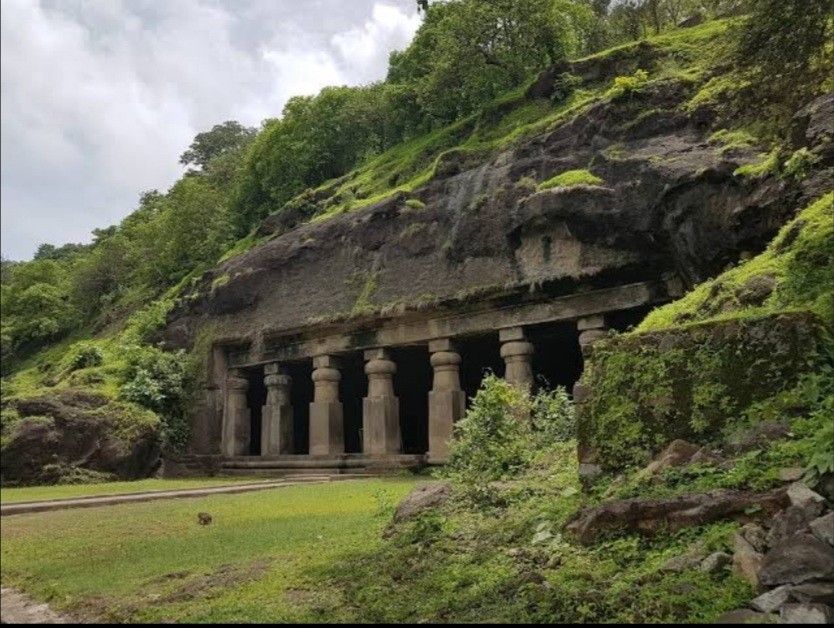
Begin at the iconic Gateway of India — built to commemorate the 1911 royal visit of King George V and Queen Mary, the historic entry and exit point for British travellers and troops. Take a scenic boat cruise across the harbour to the UNESCO World Heritage Site of the Elephanta Caves, featuring 5th-century rock-cut temples on the island originally named Gharapuri ("Island of Caves"). Return to the mainland for lunch near the Gateway and explore the cultural heart of Kala Ghoda: the Prince of Wales Museum, National Gallery of Modern Art, Elphinstone College, Jehangir Art Gallery, Esplanade Mansion, Bombay University Complex, High Court, Rajabhai Clock Tower, David Sassoon Library and Kenneseth Eliyahoo Synagogue. Conclude at Chhatrapati Shivaji Terminus (formerly Victoria Terminus) — completed in 1888 to commemorate Queen Victoria's Golden Jubilee, India's most magnificent masterpiece of Victorian Gothic architecture with extravagant domes, spires and stone arches designed by Frederick William Stevens.

Activities

  • Gateway of India — built 1911, commemorating visit of King George V and Queen Mary
  • Boat cruise to Elephanta Caves (UNESCO — 5th century CE rock-cut temples, originally Gharapuri)
  • Kala Ghoda heritage walk: Prince of Wales Museum, National Gallery of Modern Art, Jehangir Art Gallery
  • Esplanade Mansion, Bombay University Complex, High Court, Rajabhai Clock Tower
  • David Sassoon Library and Kenneseth Eliyahoo Synagogue
  • Chhatrapati Shivaji Terminus (Victoria Terminus, 1888 — Victorian Gothic, designed by Frederick William Stevens)
Private car + boat

Early morning flight to Chennai. Upon arrival, transfer to hotel. Known for its rich cultural heritage and ancient temple architecture, Chennai has served as an important administrative, military and economic centre since the 1st century, drawing global trade through successive eras of the Portuguese (from 1522), the Dutch (from 1612) and the British East India Company (from 1639). Half Day City Tour: Begin at Fort St. George — built in 1640 as India's first British stronghold — viewing the Neo-Classical Secretariat, Legislative Council Chambers, Fort Museum and St. Mary's Church (1680), Asia's oldest Anglican church. Continue to the Government Museum Complex Bronze Gallery housing nearly 700 superb Pallava and Chola bronze sculptures from the 9th to 13th centuries. Visit the prominent Kapaleswarar Temple — Chennai's largest temple dedicated to Lord Shiva, rooted in the area's original identity as Mayilapura ("Town of Peacocks"). Conclude at the historic San Thome Cathedral, built in 1504 to enshrine the remains of St. Thomas the Apostle.

Activities

  • Flight Mumbai → Chennai
  • Fort St. George (1640 AD) — India's first British stronghold; St. Mary's Church (1680) — Asia's oldest Anglican church
  • Government Museum Complex — Bronze Gallery (nearly 700 Pallava and Chola bronzes, 9th–13th centuries)
  • Kapaleswarar Temple — Chennai's largest, dedicated to Lord Shiva (Mayilapura)
  • San Thome Cathedral (1504) — enshrines remains of St. Thomas the Apostle
Flight to Chennai

Morning breakfast and check out. Drive to Kanchipuram — one of Hinduism's seven holy cities and the 6th-to-8th-century Pallava capital visited by Hsuan Tsang. Its religious and commercial heritage was further enriched by the succeeding Chola, Pandya and Vijayanagar dynasties. The town is divided into northern Shaivite and southeastern Vaishnavite zones, alongside the revered Kamakshi Temple dedicated to Goddess Parvati. Begin sightseeing with the 8th-century Kailasanatha Temple — a Pallava masterpiece with a pyramidal tower, pillared hall, exquisite carvings, fresco-style inner wall paintings and a compound wall formed by 58 small shrines. Next visit the majestic Ekambaranatha Temple, dedicated to Lord Shiva, boasting a towering 57-metre Raj Gopuram and a sacred 3,000-year-old mango tree whose four distinct branches yield four different varieties of mangoes. Also visit the Kamakshi Amman Temple. Kanchipuram is internationally renowned for its exquisite silk sarees. Continue to Mahabalipuram.

Activities

  • Kailasanatha Temple — 8th century Pallava masterpiece, pyramidal tower, 58 small shrines, fresco paintings
  • Ekambaranatha Temple — 57m Raj Gopuram, 3,000-year-old sacred mango tree (4 varieties)
  • Kamakshi Amman Temple — dedicated to Goddess Parvati
  • Drive to Mahabalipuram
Private car (140 km, ~4 hrs)

As the former principal port, naval base and capital of the great Pallava kingdom, Mahabalipuram is a UNESCO World Heritage Site world-renowned for its magnificent rock-cut and monolithic Dravidian architecture, developed by three successive kings between 630 AD and 728 AD. Begin at the 7th-century Shore Temple — one of South India's oldest structures, uniquely laid out to catch the first rays of the rising sun and illuminate the waters after dark. Next, marvel at Arjuna's Penance (also known as Bhagiratha's Penance) — the world's largest open-air bas-relief, carved on a huge whale-back-shaped rock featuring intricate figures of gods, demigods, men, beasts and birds. Conclude with the Panch Rathas — monolithic processional temple chariots dedicated to the Pandava brothers of the Mahabharata, an architectural mystery with timber beams, rafters and grain patterns faithfully simulated in stone.

Activities

  • Shore Temple — 7th century, one of South India's oldest; oriented to catch first rays of rising sun (UNESCO)
  • Arjuna's Penance (Bhagiratha's Penance) — world's largest open-air bas-relief, whale-back-shaped rock
  • Panch Rathas — five monolithic processional temple chariots, dedicated to Pandava brothers
Private car + walking

Following morning breakfast and check-out, drive to Auroville (meaning "City of Dawn") near Pondicherry. Founded in 1968 by Mirra Alfassa (known as "The Mother") with a vision for a universal community of global residents living in peace, harmony and cooperation through the teachings of Sri Aurobindo and The Mother. At its spiritual heart in the Peace Area stands the striking golden spherical Matrimandir — surrounded by gardens and designed for silent concentration and meditation (open daily 15:30–16:30). Further drive to Pondicherry (officially Puducherry), situated along the Bay of Bengal and renowned as a sacred land of distinct spiritual vibration anchored by the Sri Aurobindo Ashram. The city is famous for its unique blend of Tamil culture, spirituality, beaches and vibrant streets, with centuries of French colonial heritage vividly preserved in its colonial buildings, tree-lined streets, churches, cafés and the famous French Quarter.

Activities

  • Auroville — Matrimandir golden spherical meditation structure (open 15:30–16:30)
  • Aurobindo Ashram — Pondicherry
  • Manakula Vinayakar Temple
  • Church of Our Lady of the Angels
  • French Quarter — Pondicherry
Private car (100 km, ~2 hrs)

Matrimandir open 15:30–16:30.

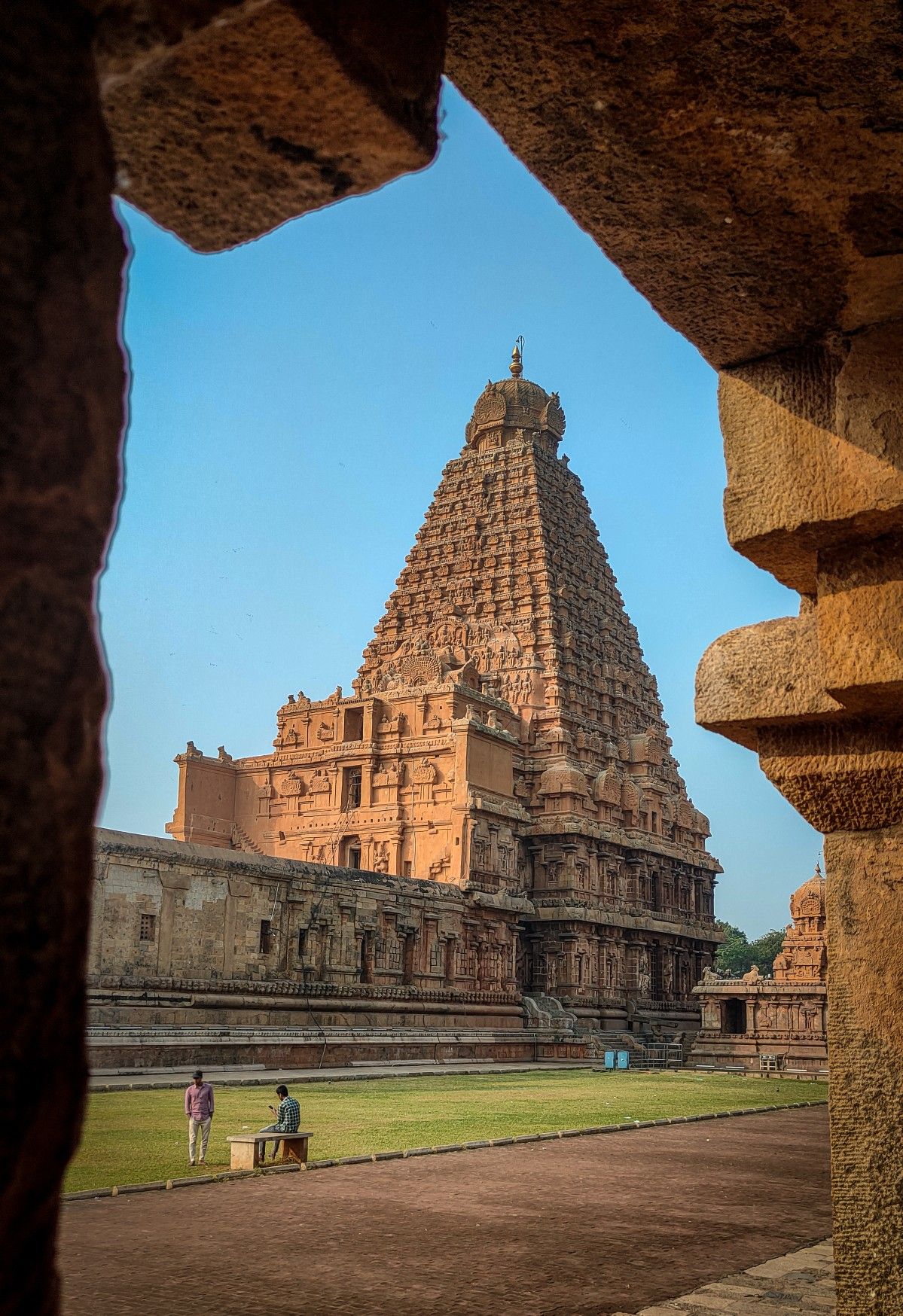
Following morning breakfast and check-out, drive to Thanjavur (Tanjore). Nestled in the fertile Kaveri Delta — often called the "rice bowl of Tamil Nadu" — the city served for nearly a millennium as the capital of three powerful dynasties: the Cholas (9th–13th centuries), the Nayakas (1535–1676 AD) and the Marathas (1676–1855 AD). Explore the magnificent Brihadishvara Temple — a UNESCO World Heritage Site built by Rajaraja Chola I in 1010 AD, a brilliant pinnacle of Dravidian architecture featuring exquisite Chola fresco paintings on its inner walls that rival the Ajanta masterpieces. Continue to the historic Royal Palace dating from the Nayaka and Maratha periods. Beyond its monumental architecture, Thanjavur thrives today as a vibrant cultural centre renowned for classical music, dance, bronze sculptures and traditional paintings.

Activities

  • Brihadeshwara Temple (UNESCO, built 1010 AD by Rajaraja Chola I) — Chola fresco paintings
  • Royal Palace — Nayaka and Maratha period
  • Rajaraja Museum and Art Gallery
  • Saraswati Mahal Library
  • Tanjore Palace
Private car

Following morning breakfast and check-out, drive to Madurai with an en-route stop in Trichy (Tiruchirappally) — situated at the head of the fertile Kaveri Delta and named after the fierce three-headed demon (tirusira) who attained salvation after being slain by Shiva. Begin at the sacred 3-km long Island of Srirangam formed by the Kaveri and Kollidam rivers — one of the most revered pilgrimage sites in South India. At its core lies the majestic Ranganatha Temple, evolved during four centuries, dedicated to Vishnu and covering 60 hectares (148 acres) with 21 impressive gopuras, seven concentric enclosure walls and the spacious Thousand-Columned Mandapa. Afterwards visit Rock Fort — an impregnable fortress built by the Nayakas of Madurai atop an 83-metre-high outcrop made of some of the oldest rock formations in the world, dating back approximately 3,800 million years. Continue onward to Madurai.

Activities

  • Srirangam — Island of Srirangam (Kaveri + Kollidam rivers), Ranganatha Temple: 60 ha, 21 gopuras, 7 concentric walls, Thousand-Columned Mandapa
  • Rock Fort — Nayaka fortress, 83m high; rock formations ~3,800 million years old (Trichy)
  • Drive to Madurai
Private car (180 km, ~4 hrs)

Following morning breakfast, set out for a full day of sightseeing in Madurai — one of South India's great ancient temple towns along the Vaigai River. Famed for hosting the historic Sangams 2,000 years ago and flourishing as a capital under the Pandyas, Vijayanagar and Nayaka empires, the city remains a vibrant repository of Tamil culture and religion. Your primary stop is the magnificent Meenakshi Sundareshvara Temple complex, featuring twin sanctums dedicated to Lord Sundareshvara and Goddess Meenakshi, surrounded by grand pillared halls and twelve soaring, vividly painted gopuras. Next visit the historical Thirumalai Nayakar Palace, built in 1636 with striking Islamic influences, where the surviving Swarga Vilasam (Heavenly Pavilion) courtyard showcases the awesome scale of a bygone era. Conclude with a visit to the temple complex museum (closes 5:00 PM) and experience the fascinating evening temple ceremony.

Activities

  • Meenakshi Sundareshvara Temple — 12 gopuras, twin sanctums for Lord Sundareshvara and Goddess Meenakshi
  • Thirumalai Nayakar Palace (1636) — Swarga Vilasam (Heavenly Pavilion) courtyard, Islamic influences
  • Meenakshi Amman Temple Museum (closes 05:00 PM)
  • Evening temple ceremony
Private car + walking

Museum closed at 05:00 PM.

Following morning breakfast and check-out, explore Madurai's vibrant local flower market before driving toward Periyar (Thekkady). The scenic journey transforms as the landscape shifts from Tamil Nadu's dry plains to the cool, green hills of the Western Ghats laden with cardamom, pepper and coffee plantations. Upon arrival, your core experience centres on Periyar National Park — part of the Periyar Tiger Reserve — celebrated for its lush evergreen forests and wildlife. Enjoy a scenic boat cruise on Periyar Lake where you can spot shoreline wildlife such as elephants, gaur, sambar deer and diverse birds. Conclude your day with an informative spice plantation tour and, if time permits, an evening experiencing Kerala's traditional performing arts: Kathakali or Kalaripayattu.

Activities

  • Madurai flower market
  • Drive through Western Ghats to Periyar (140 km) — cardamom, pepper and coffee plantations
  • Periyar National Park / Tiger Reserve — boat cruise on Periyar Lake
  • Wildlife spotting: elephants, gaur, sambar deer, diverse birds
  • Spice Plantation Tour
  • Optional: Kathakali or Kalaripayattu (traditional performing arts)
Private car (140 km)

Begin your morning at sunrise with a boat ride on Periyar Lake to view wildlife within the sanctuary. Following a two-hour wildlife viewing session, return to the hotel for breakfast and check-out. The journey to Kumarakom offers a beautiful transition from the forested Western Ghats to Kerala's tranquil backwaters around Vembanad Lake — home to rich marine life including Karimeen (Pearl spotted fish), Chemeen (Prawns) and Konju (Tiger Prawns). Recommended experiences: the Kumarakom backwaters — where traditional kettuvallams, once used to transport rice and spice, have been transformed into comfortable houseboats along coconut-fringed shores, narrow canals and paddy fields — and the Kumarakom Bird Sanctuary, with a beautiful sunset over Vembanad Lake.

Activities

  • Sunrise wildlife boat ride on Periyar Lake
  • Drive Periyar → Kumarakom
  • Kumarakom backwaters on Vembanad Lake — kettuvallam houseboat experience
  • Marine life: Karimeen (Pearl spotted fish), Chemeen (Prawns), Konju (Tiger Prawns)
  • Kumarakom Bird Sanctuary
  • Sunset on Vembanad Lake
Private car

Begin your day visiting the Kumarakom Bird Sanctuary — a 14-acre haven beside Vembanad Lake featuring a rich mix of wetlands, waterways and lush vegetation. Depending on the season, the sanctuary hosts migratory ducks, cormorants, egrets, kingfishers, darters, waterfowls and Siberian storks, alongside resident species like golden-backed woodpeckers, crow pheasants and white-breasted waterhens. Afterward, board a traditional kettuvallam (houseboat) to cruise along the scenic backwaters from Kumarakom to Alleppey, observing and experiencing the daily lives of local villagers along the canals.

Activities

  • Kumarakom Bird Sanctuary (14 acres) — migratory and resident birds, Vembanad Lake
  • Board houseboat (kettuvallam)
  • Backwater cruise Kumarakom → Alleppey — village life along canals
Houseboat

Overnight in a houseboat.

Disembark from your houseboat in Alleppey and drive to Kochi (Cochin) — Kerala's premier metropolitan hub and historical spice-trading port boasting a rich cosmopolitan heritage shaped by the Middle East, Mediterranean Europe, the Dutch and the British around its natural Arabian Sea harbour. Explore Kochi's historic landmarks: the 1550s Mattancherry Palace (Dutch Palace) built by the Portuguese, featuring royal murals and portraits in its Durbar Hall. Next, visit the 1568 Paradesi Synagogue adorned with Chinese tiles and Belgian chandeliers, wander through the aromatic local spice market and view the iconic Chinese fishing nets (Cheenavala) introduced by Kublai Khan's traders. Conclude at St. Francis Church — India's earliest European church established in the early 1500s where Vasco da Gama was originally buried. Wrap up your evening experiencing Kerala's vibrant classical dance form, Kathakali. Optional: boat cruise from Kochi.

Activities

  • Disembark at Alleppey, drive to Kochi
  • Mattancherry Palace / Dutch Palace (1550s) — Portuguese-built, royal murals in Durbar Hall
  • Paradesi Synagogue (1568 AD) — Chinese tiles, Belgian chandeliers
  • Spice market — Jew Town, Kochi
  • Chinese fishing nets (Cheenavala) — introduced by Kublai Khan's traders
  • St. Francis Church (early 1500s) — India's earliest European church, original burial site of Vasco da Gama
  • Optional: Boat cruise in Kochi
  • Evening Kathakali dance
Private car + walking

Following morning breakfast and check-out, drive up into the tea-covered Nilgiri hills ("Blue Mountains") to Ooty (Udagamandalam) — standing at 2,240 metres as the renowned "Queen of Hill Stations" and a popular summer retreat from the colonial era. Highlights and experiences: Tea Plantations and Museum — walk through local plantations, meet tea workers and explore the tea factory and museum to learn how Nilgiri tea moves from leaf to cup. Nilgiri Mountain Railway — experience the historic UNESCO World Heritage "Toy Train" winding through forests, deep ravines, tunnels and mountain scenery. Botanical Gardens — appreciate unusual high-altitude flora, old trees, fern collections and a fossilised tree. St. Stephen Church — a landmark colonial-era church. Cultural and Scenic Landmarks — learn about the indigenous Toda community's unique architecture and embroidery; take in expansive mountain views from Doddabetta Peak (2,637 m); conclude your day with freshly brewed Nilgiri tea accompanied by local Ooty Varkey or homemade chocolates.

Activities

  • Drive Kochi → Ooty (300 km, ~7 hrs) through Western Ghats and Nilgiri hills
  • Tea Plantations and Museum — plantation walk, factory and tea-tasting
  • Nilgiri Mountain Railway — UNESCO World Heritage "Toy Train"
  • Botanical Garden — high-altitude flora, fern collections, fossilised tree
  • St. Stephen Church — colonial-era landmark
  • Toda community — indigenous culture, distinctive architecture and embroidery
  • Doddabetta Peak — highest point in Nilgiris (approximately 2,637 m)
  • Slow tea afternoon with Nilgiri tea and Ooty Varkey or homemade chocolates
Private car (300 km, ~7 hrs)

Following morning breakfast and check-out, drive from the Nilgiri hills to Mysore — the historic capital of the Wodeyar dynasty, which ruled almost uninterrupted from 1399 until Independence aside from an 18th-century rule under Haider Ali and Tipu Sultan (who redesigned the modern town in 1793). Today, Mysore stands as a prominent cultural centre renowned for silk weaving, sandalwood carvings, incense and elegant public architecture lining wide, tree-lined streets. Stop en route to explore Srirangapatna — the historic island capital of Tipu Sultan, celebrated for his fierce resistance against British rule and dotted with monuments commemorating his era. Later, visit Darya Daulat Palace — Tipu Sultan's majestic Summer Palace, beautifully situated amidst scenic surroundings on an island formed by two branches of the River Cauvery.

Activities

  • Drive Ooty → Mysore (150 km, ~3 hrs)
  • Srirangapatna — historic island capital of Tipu Sultan, resistance monuments
  • Darya Daulat Palace — Summer Palace of Tipu Sultan, River Cauvery island
Private car (150 km, ~3 hrs)

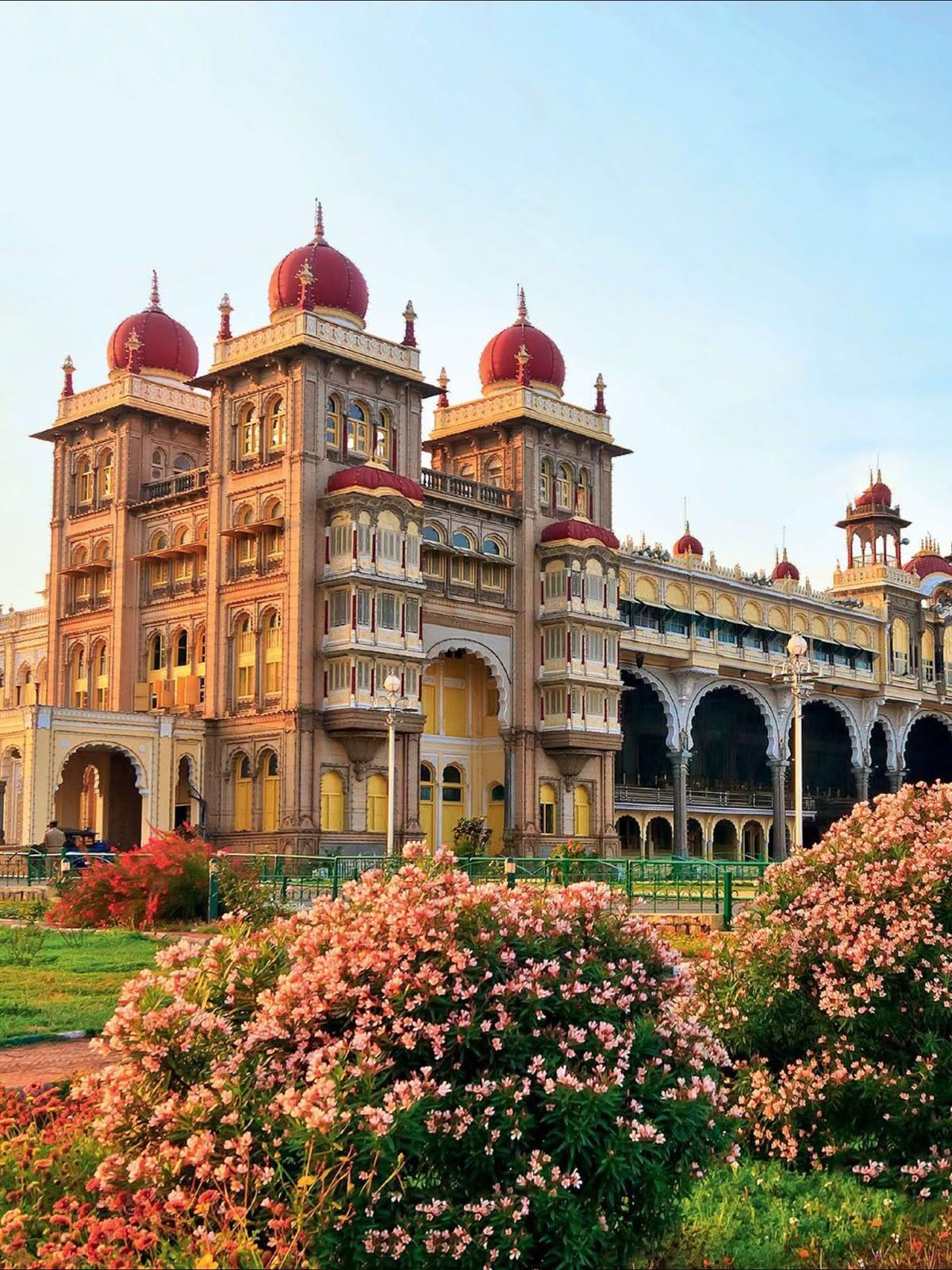
Begin your day exploring the magnificent Mysuru Palace — completed in 1912 as the Wodeyar dynasty's principal royal residence, featuring a stunning blend of Indo-Saracenic, European and traditional South Indian architecture. Tour the historic Durbar Hall, the lavishly decorated Amba Vilas private quarters, the colourful stained-glass Kalyana Mantapa marriage pavilion and the rich collection of royal artefacts and craftsmanship. If your itinerary permits, return in the evening to view the palace illuminated by thousands of lights. After lunch, drive up to Chamundi Hill (3,489 ft) to visit the temple dedicated to Goddess Chamundeshwari — the royal family's tutelary deity — and view the enormous monolithic Nandi statue. Continue through the vibrant colours and fragrances of Devaraja Market, admire the striking 20th-century Neo-Gothic architecture of St. Philomena's Cathedral, and conclude your day sampling traditional Mysuru silk, sandalwood products and the city's famous Mysore Pak sweet.

Activities

  • Mysuru Palace — Indo-Saracenic, completed 1912; Durbar Hall, Amba Vilas, Kalyana Mantapa (stained-glass), royal artefacts
  • Optional: evening palace illumination (thousands of lights)
  • Chamundi Hill (3,489 ft) — Goddess Chamundeshwari temple, monolithic Nandi statue
  • Devaraja Market — colours, fragrances and local produce
  • Cathedral of St. Philomena — 20th-century Neo-Gothic architecture
  • Mysore silk, sandalwood products and Mysore Pak sweet
Private car

Evening palace illumination if itinerary permits.

Following morning breakfast and check-out, drive to Bangalore — the vibrant "Garden City" — noted for its striking mix of historic and modern architecture, anchored by the majestic Vidhana Soudha housing the State Legislature and Secretariat. Enjoy a half-day city tour exploring Tipu Sultan's Summer Palace with its museum of regional artefacts, the striking ISKCON Temple blending Dravidian design with modern facilities, and the historic Lalbagh Botanical Garden initiated by Haider Ali in 1760. Conclude your tour with a timely transfer to the airport to board your flight for your onward journey.

Activities

  • Drive Mysore → Bangalore (136 km, ~3 hrs)
  • Vidhana Soudha — State Legislature and Secretariat
  • Tipu Sultan Palace — museum of regional artefacts
  • ISKCON Temple — Dravidian design with modern facilities
  • Lal Bagh Botanical Garden (initiated by Haider Ali, 1760)
  • Transfer to Bangalore airport for onward journey
Private car + flight

Flexibility

En-Route Options

Optional Stop

Optional Boat Cruise in Kochi

Optional boat cruise available in Kochi.

Add-Ons

Optional Experiences

Optional

Optional Boat Cruise in Kochi

An optional boat cruise in Kochi, exploring the natural harbour at leisure.

Optional

Mysore Palace Evening Illumination

Return to Mysore Palace in the evening when thousands of lights illuminate the facade — one of the most spectacular night sights in South India.

Responsible Tourism

“Taking into consideration the well-being of animals, we as a responsible tour operator do not encourage the ride nor any activities related with the animals.”
Journey at a Glance

Duration17 Days / 16 Nights
Best SeasonOctober – March
Destinations14 Cities
PricingRequest a Quote
The South Indian Tapestry: From Mumbai's Gateway to Karnataka's Palaces gallery image 1
The South Indian Tapestry: From Mumbai's Gateway to Karnataka's Palaces gallery image 2
The South Indian Tapestry: From Mumbai's Gateway to Karnataka's Palaces gallery image 3

Plan This Journey

Om will personally respond to your enquiry.

Choose a full journey, a short trip, or both.

Your information is safe with us. We will never share your details.

Or reach us directly: WhatsApp Email

Begin This Journey

Ready to Experience The South Indian Tapestry?

Share your vision and Om will craft your India experience.