Indian Routes & TrailsA Signature of Excellence
The Golden Triangle: Delhi, Agra & Jaipur — Indian Routes & Trails
All Journeys
5 Days / 4 Nights October – Marchheritagespiritualphotography

The Golden Triangle: Delhi, Agra & Jaipur

A 5-Day Journey through Old Delhi, the Taj Mahal and Rajasthan's Pink City

DelhiAgraJaipurDelhi

Overview

About This Journey

India's most celebrated circuit distilled into five purposeful days. Delhi opens the journey with a private cycle-rickshaw tour through the bazaars of Chandni Chowk, the soaring Qutub Minar, Humayun's Tomb and the great Friday mosque of the Mughals. The second day drives south by the Yamuna Expressway to Agra — Agra Fort and the ethereal first sight of the Taj Mahal reflected in the Mehtab Bagh pool at sunset. Dawn of the third day belongs entirely to the Taj; then the route continues west toward Jaipur, with the choice of pausing at Akbar's ghostly abandoned capital of Fatehpur Sikri, or at the UNESCO-listed Keoladeo National Park for birdwatching. Two full days in the Pink City cover Amber Fort, City Palace, Jantar Mantar, the old bazaars and a Rajasthani folk dinner before a final morning at Galta Ji and the road back to Delhi.

Highlights

Journey Highlights

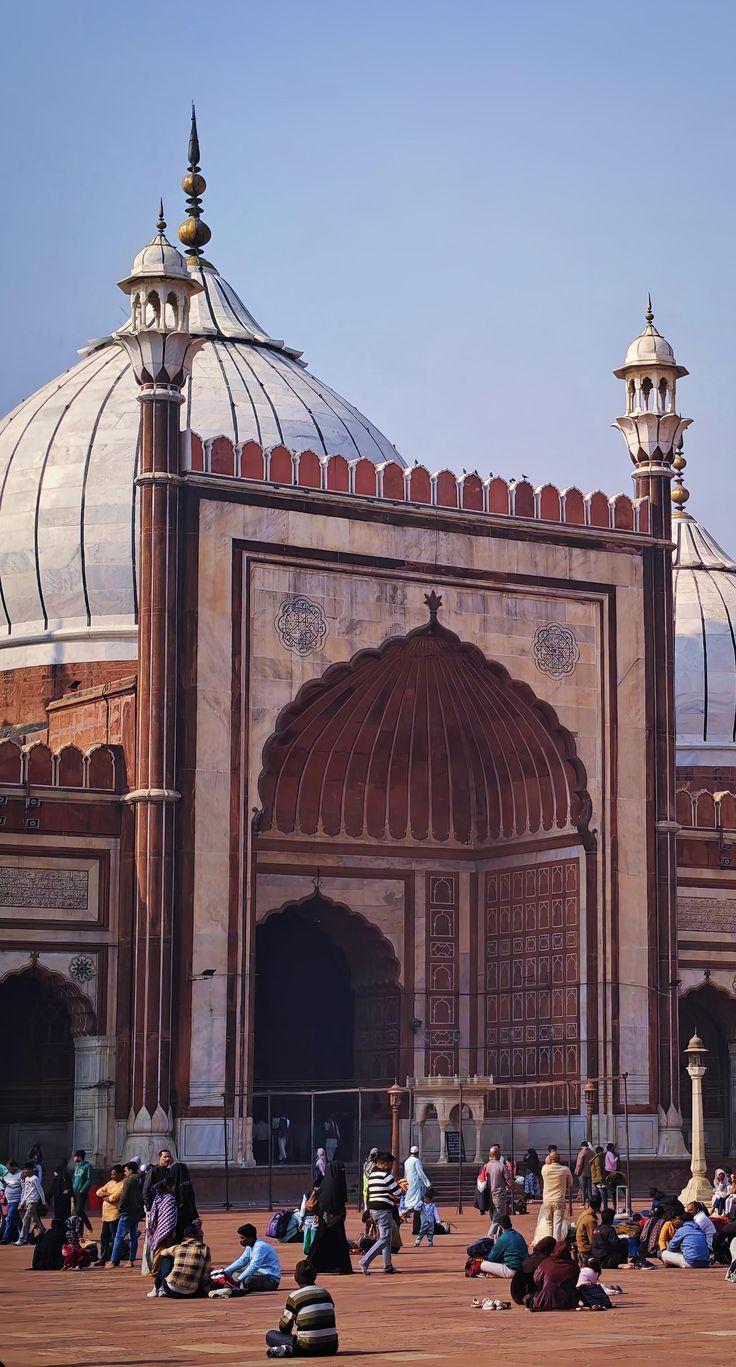
Jama Masjid — one of India's largest mosques, Mughal architecture at its grandest
Private cycle-rickshaw tour through Kinari Bazaar, Dariba Kalan and Chandni Chowk
Red Fort exterior — the seat of Mughal power for two centuries
India Gate, Parliament House and Rashtrapati Bhavan drive-by on Kartavya Path
Bangla Sahib Gurudwara — Sikh shrine and its remarkable community kitchen
Qutub Minar — 12th-century UNESCO minaret and Islamic heritage complex
Humayun's Tomb — UNESCO garden tomb that inspired the Taj Mahal
Agra Fort — the red-sandstone imperial citadel on the Yamuna bank
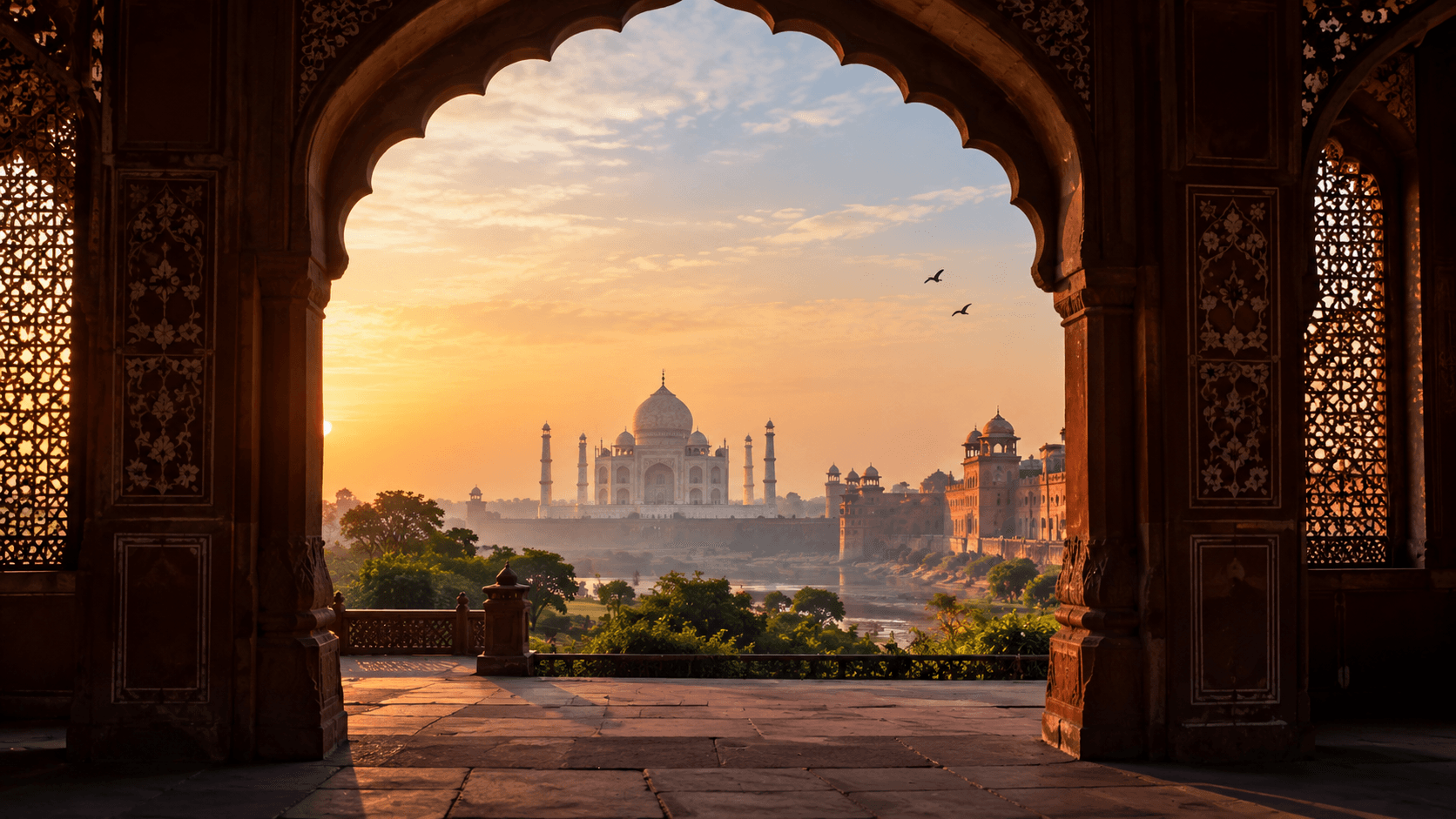
Mehtab Bagh sunset — the Taj Mahal reflected across the river at dusk
Sunrise Taj Mahal — the monument at its most luminous
Optional en route: Fatehpur Sikri (Akbar's abandoned Mughal capital) or Keoladeo National Park (UNESCO, highly recommended for birdwatching)
Rajasthani folk music and dance dinner — Jaipur
Hawa Mahal — the five-storied Palace of Winds
Amber Fort and Palace — the Kachhawaha dynasty's hilltop citadel
Jal Mahal — the lake palace on Man Sagar reservoir
City Palace — still home to the Jaipur royal family
Jantar Mantar — UNESCO royal astronomical observatory
Pink City bazaars — block-print textiles, blue pottery and Rajasthani crafts
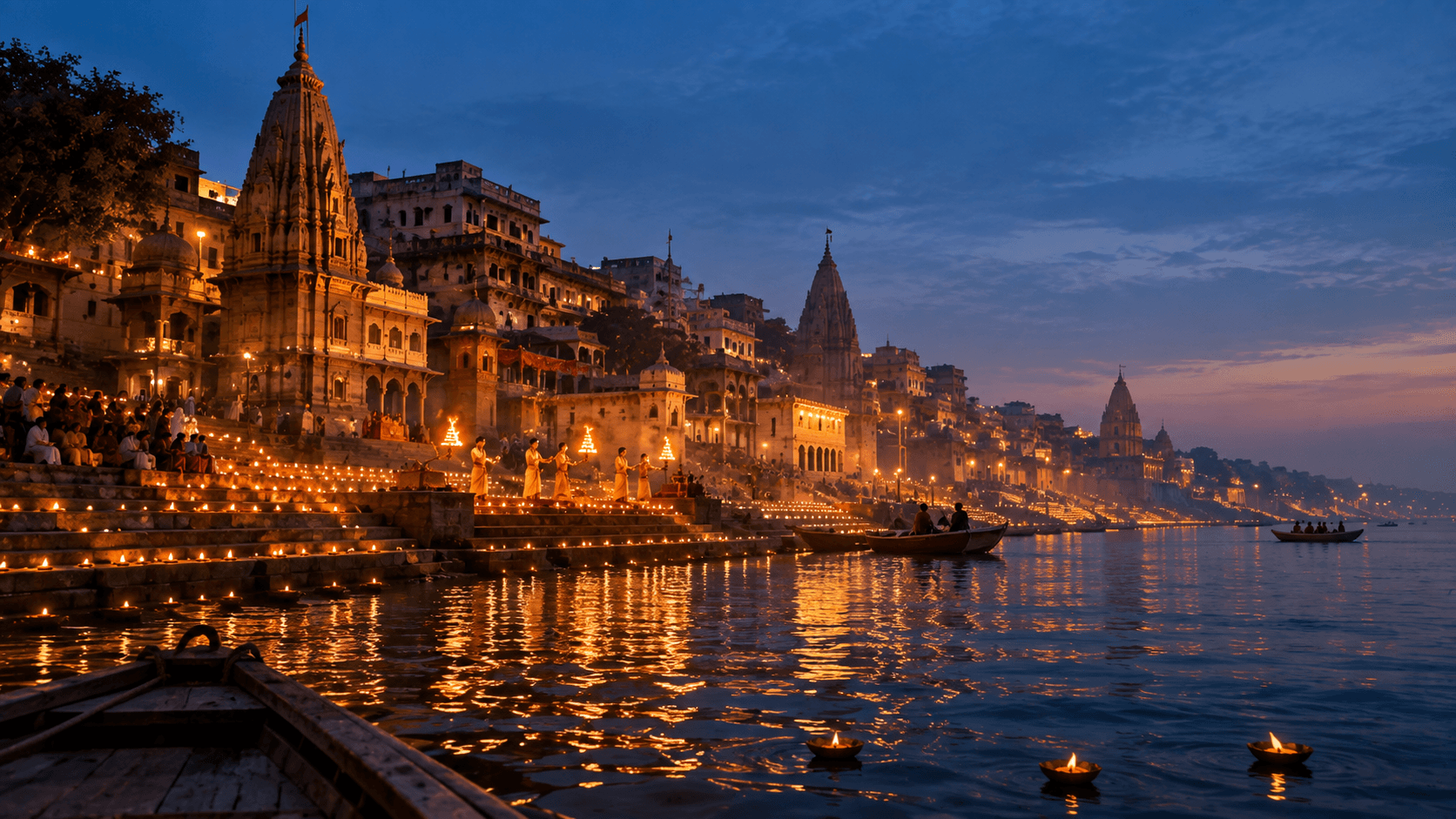
Birla Mandir evening aarti
Galta Ji (Monkey Temple) — ancient pilgrimage complex in the Aravalli Hills

Festival Timing

Time Your Journey

Holiperfect match

Holi in Jaipur is celebrated from the City Palace balconies — a sight like no other.

Next: 22 March 2027 · 132 days away

Catch Jaipur's International Kite Festival on 14 January — the entire sky above the Pink City turns to colour.

Next: 14 January 2027 · 65 days away

⚠

Important Planning Notes

  • The Taj Mahal is closed to visitors every Friday. Day 3 must not fall on a Friday.
  • For an international departure from Delhi, a Jaipur–Delhi flight on Day 5 is recommended. If travelling by road, book an international departure at 19:00 (7:00 PM) or later from IGI Terminal 3 to allow a comfortable three-hour airport buffer.

Day by Day

Detailed Itinerary

Arrive at Indira Gandhi International Airport Terminal 3. Your private guide and driver will meet you at the designated arrivals gate and assist with the transfer to your hotel in New Delhi — approximately 45–60 minutes by private vehicle, depending on traffic and your hotel location. After check-in, the afternoon begins with Old Delhi. Jama Masjid — one of India's largest mosques, built by Shah Jahan in 1656, its courtyard large enough to hold 25,000 worshippers — sets the tone of the city immediately. From here, board a private cycle-rickshaw for a tour through the labyrinthine lanes: Kinari Bazaar with its wedding decorations and tinsel, Dariba Kalan the silversmiths' street, Nai Sadak the booksellers' row, and Chandni Chowk — the great Mughal market boulevard laid out in the 17th century. A short drive takes you past the Red Fort's sandstone battlements for photographs of the exterior. In the late afternoon, the route moves into New Delhi: a drive along Kartavya Path past India Gate, Parliament House and Rashtrapati Bhavan, followed by a visit to Bangla Sahib Gurudwara — a Sikh shrine whose community kitchen serves free meals to thousands every day, regardless of faith or background. The evening brings Qutub Minar — the 12th-century UNESCO-listed minaret and the complex of early Islamic monuments that surrounds it — subject to current opening hours. Overnight New Delhi.

Activities

  • Arrival at Indira Gandhi International Airport Terminal 3
  • Private guide and driver welcome at the designated arrivals gate
  • Private transfer to hotel (approximately 45–60 minutes)
  • Hotel check-in
  • Jama Masjid — one of India's largest mosques (Shah Jahan, 1656)
  • Private cycle-rickshaw tour through Kinari Bazaar, Dariba Kalan, Nai Sadak and Chandni Chowk
  • Red Fort exterior — 17th-century Mughal palace-fortress, photographs
  • Drive along Kartavya Path — India Gate, Parliament House, Rashtrapati Bhavan
  • Bangla Sahib Gurudwara — Sikh shrine and community kitchen
  • Qutub Minar — 12th-century UNESCO minaret, subject to current opening hours
Private air-conditioned car; cycle-rickshaw in Old Delhi

Dress modestly for Jama Masjid and Bangla Sahib Gurudwara (shoulders and knees covered; head covered at the Gurudwara — scarves available at the entrance). TODO: verify Qutub Minar current operational hours before publishing.

After breakfast, check out of your Delhi hotel. The morning begins at Humayun's Tomb — the UNESCO-listed garden tomb built in 1565 for the Mughal Emperor Humayun. This was the first of the great Mughal garden tombs in the subcontinent and the architectural template from which the Taj Mahal would later be refined. The symmetrical char-bagh garden, the double dome and the use of red sandstone inlaid with white marble all prefigure the Taj with remarkable clarity. Drive south to Agra by the Yamuna Expressway — approximately 3.5 to 4 hours, subject to traffic. After hotel check-in and lunch, the afternoon is spent at Agra Fort — the massive red-sandstone citadel on the Yamuna bank that served as the principal seat of the Mughal Empire under Akbar, Jahangir and Shah Jahan. As the afternoon light turns golden, cross the Yamuna to the Mehtab Bagh — a formal Mughal garden directly opposite the Taj on the north bank of the river, from which the white marble monument is reflected perfectly in the water at sunset. This is among the finest vantage points for the Taj Mahal and is significantly less crowded than the monument site in the evening. Overnight Agra.

Activities

  • Breakfast and checkout in Delhi
  • Humayun's Tomb — UNESCO garden tomb (1565), architectural forerunner of the Taj Mahal
  • Drive Delhi to Agra by Yamuna Expressway (approximately 3.5–4 hours, subject to traffic)
  • Hotel check-in in Agra
  • Agra Fort — UNESCO Mughal imperial citadel on the Yamuna bank
  • Mehtab Bagh — sunset views of the Taj Mahal reflected across the Yamuna
Private car — Yamuna Expressway (approximately 3.5–4 hours)

This morning belongs entirely to the Taj Mahal. A private transfer or short walk brings you to the gate before the crowds gather. The Taj Mahal is most luminous in the first hour after sunrise — the white marble shifts through pearl, rose and gold as the light strengthens. Your guide will lead you through the outer gateway, across the forecourt and through the great red-sandstone darwaza into the garden, explaining the geometry of the char-bagh, the calligraphic inscriptions, the Pietra Dura inlay work and the history of Shah Jahan and Mumtaz Mahal for whom the monument was built. Please note that the Taj Mahal has strict security regulations: food, tobacco, tripods, selfie sticks, large bags and several other items are prohibited; visitors are advised to carry only essentials. The Taj Mahal is closed to visitors every Friday — this itinerary must be scheduled so that Day 3 does not fall on a Friday. After returning to the hotel for breakfast, check out and begin the drive toward Jaipur with one selectable en-route stop. Option 1 — Fatehpur Sikri: Emperor Akbar built this walled city as his capital in 1571 and abandoned it after approximately 14 years, leaving it preserved almost intact; the Buland Darwaza gateway, the Jama Masjid and the tomb of Salim Chishti are among the highlights of this UNESCO World Heritage Site. Option 2 — Keoladeo National Park (highly recommended): The UNESCO-listed sanctuary at Bharatpur shelters over 370 bird species across wetlands, woodland and grassland; a quiet cycle-rickshaw or walking safari is one of the most peaceful experiences on any North India itinerary, and rare Siberian cranes winter here between October and February. Continue approximately four hours to Jaipur, subject to route and traffic. The evening in Jaipur is marked by a dinner accompanied by traditional Rajasthani folk music and dance. Overnight Jaipur.

Activities

  • Pre-dawn transfer to Taj Mahal gate for sunrise visit
  • Sunrise Taj Mahal — guided tour of the garden, darwaza, inlay work and history
  • Important: Taj Mahal closed every Friday — Day 3 must not fall on a Friday
  • Note: prohibited items include food, tobacco, tripods, selfie sticks and large bags
  • Breakfast and checkout in Agra
  • En-route Option 1: Fatehpur Sikri — Akbar's abandoned Mughal capital (UNESCO)
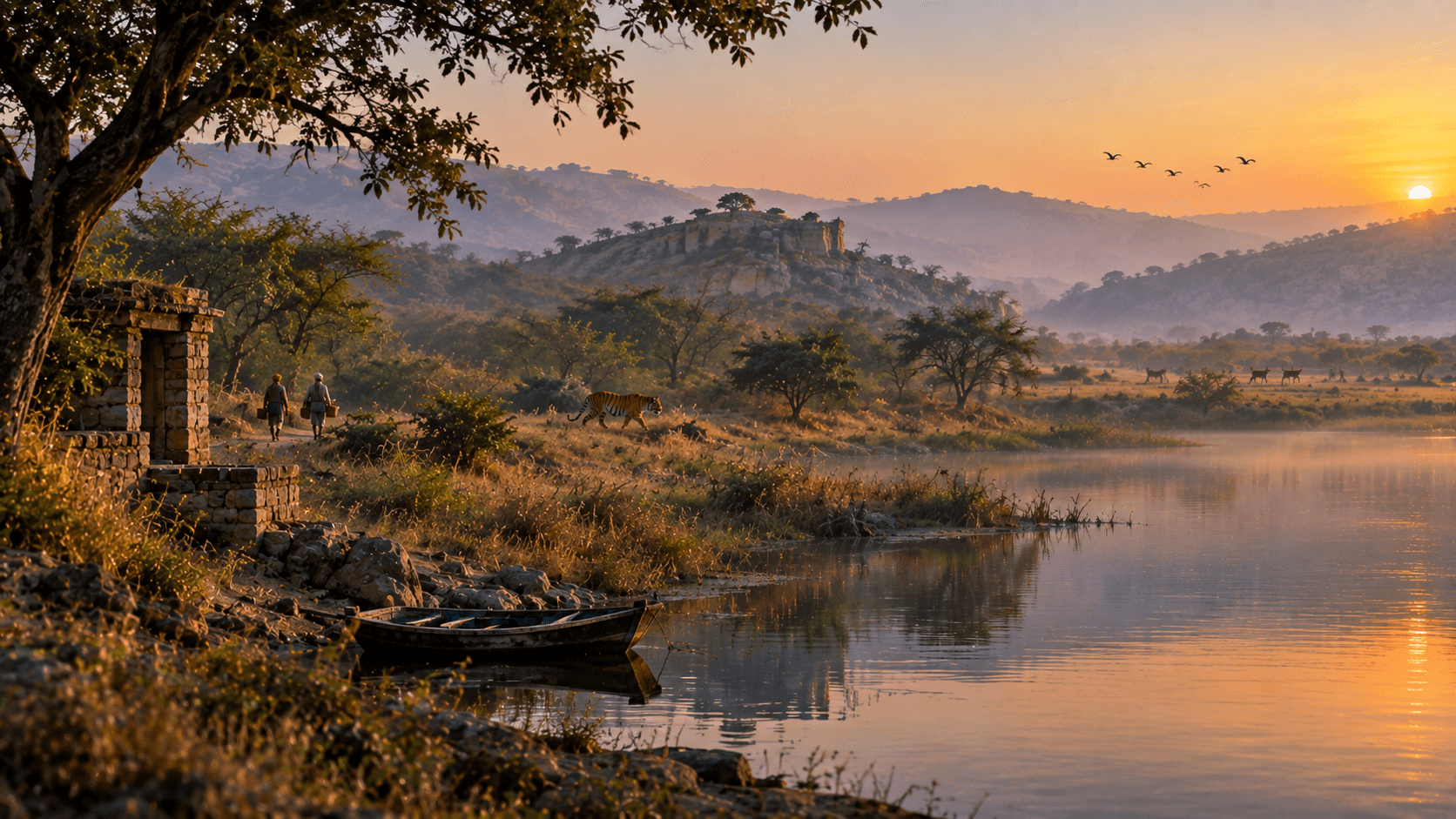
  • En-route Option 2 (highly recommended): Keoladeo National Park — UNESCO bird sanctuary, 370+ species, Bharatpur
  • Drive to Jaipur (approximately 4 hours, subject to route and traffic)
  • Evening Rajasthani folk music and dance dinner
Private car to Taj Mahal; private car Agra–Jaipur via chosen en-route stop (approximately 4 hours)

The Taj Mahal is closed every Friday. Day 3 must not fall on a Friday. Visitors are advised to carry only essential items.

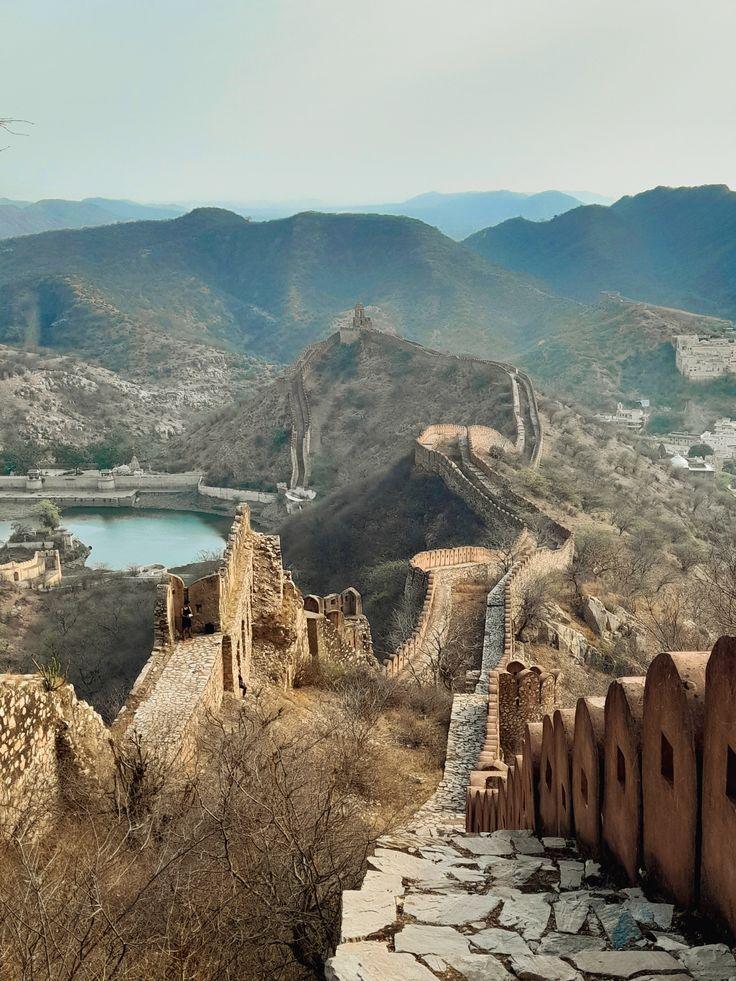
A full day in the Pink City of Jaipur — founded in 1727 by Sawai Jai Singh II on geometric Vastu Shastra principles and one of the first planned cities of its era. The morning begins with Hawa Mahal, the five-storied Palace of Winds whose 953 windows were designed to allow the women of the royal household to observe street life while remaining unseen. Then the drive to Amber Fort and Palace — the hilltop citadel of the Kachhawaha dynasty, perched above Maota Lake with its reflections in the still water. The ascent is by private jeep or on foot; in keeping with the responsible-tourism principles of Indian Routes and Trails, elephant rides are not offered or encouraged due to animal-welfare considerations. The fort complex includes the Diwan-i-Aam, the Sheesh Mahal (Hall of Mirrors) and the royal palace apartments. On the way back, a photo stop at Jal Mahal — the 18th-century pleasure palace that appears to float at the centre of Man Sagar reservoir. After lunch, the City Palace complex in the heart of Jaipur's old walled city — residence of the current royal family, with outer courtyards, museums and the Diwan-i-Khas open to visitors. Across the road, Jantar Mantar — the UNESCO-listed royal astronomical observatory built by Sawai Jai Singh in the 1720s, home to the world's largest sundial. The afternoon is free for the Pink City's bazaars: Johari Bazaar for jewellery, Bapu Bazaar for block-print textiles, and the lanes around Hawa Mahal for blue pottery and miniatures. The evening brings Birla Mandir aarti — a white-marble Vaishnava temple at the foot of Moti Dungri hill where the evening prayer ceremony of oil lamps and incense makes for a moving close to the day. Overnight Jaipur.

Activities

  • Hawa Mahal — five-storied Palace of Winds, 953 windows
  • Amber Fort and Palace — Kachhawaha dynasty hilltop citadel, Sheesh Mahal (Hall of Mirrors)
  • Ascent by private jeep or on foot (elephant rides not offered — animal-welfare policy)
  • Jal Mahal — 18th-century lake palace, Man Sagar reservoir
  • City Palace — royal residence, Diwan-i-Khas, museum complex
  • Jantar Mantar — UNESCO royal astronomical observatory (1720s), world's largest sundial
  • Pink City bazaars — Johari Bazaar (jewellery), Bapu Bazaar (textiles), blue pottery
  • Birla Mandir evening aarti
Private car; private jeep or walking at Amber Fort

Elephant rides are not offered or recommended, in keeping with the responsible-tourism principles of Indian Routes and Trails.

After breakfast and checkout, the final morning is spent at Galta Ji — the ancient pilgrimage complex in a narrow gorge of the Aravalli Hills east of Jaipur, popularly known as the Monkey Temple for the large colony of rhesus macaques that inhabit its shrines and rooftops. The complex is built around a series of natural kunds (sacred pools) fed by a freshwater spring, and includes several temples dedicated to Surya (the sun god) and Vishnu. The natural pools are used for ritual bathing by pilgrims; macaques should be observed respectfully from a distance — do not feed or provoke them. After Galta Ji, the journey to Delhi begins — approximately five hours by road, or a shorter journey by the optional Jaipur–Delhi flight. For international departures, a Jaipur–Delhi flight is strongly recommended; if travelling by road, an international flight at 19:00 (7:00 PM) or later from IGI Airport Terminal 3 is advisable to allow a minimum three-hour airport buffer. Your driver will drop you directly at IGI Airport Terminal 3. Our tour concludes — we thank you for travelling with Indian Routes and Trails and we look forward to welcoming you on your next journey.

Activities

  • Breakfast and hotel checkout — Jaipur
  • Galta Ji (Monkey Temple) — ancient pilgrimage complex, sacred kunds, Surya and Vishnu temples
  • Respectful wildlife guidance: observe macaques from a distance; do not feed or provoke
  • Drive Jaipur to Delhi (approximately 5 hours by road)
  • Optional: Jaipur–Delhi flight (recommended for international connections)
  • Drop at Indira Gandhi International Airport Terminal 3 for onward international departure
Private car (approximately 5 hours by road); optional Jaipur–Delhi flight

For international departures from Delhi, a Jaipur–Delhi flight is strongly recommended. If travelling by road, book an international departure at 19:00 (7:00 PM) or later from IGI Terminal 3 to allow a comfortable three-hour airport buffer.

Flexibility

En-Route Options

Optional Stop

Fatehpur Sikri

Akbar's remarkably preserved abandoned Mughal capital, 40 km from Agra — an optional stop on the Agra–Jaipur drive (Day 3).

Optional Stop

Keoladeo National Park

(Highly recommended) UNESCO-listed bird sanctuary at Bharatpur, sheltering over 370 species — an outstanding alternative en-route stop on Day 3.

Add-Ons

Optional Experiences

Optional

Fatehpur Sikri (Day 3 Option)

Akbar's extraordinary abandoned Mughal capital — built 1571, preserved almost intact after roughly 14 years, UNESCO World Heritage Site. The Buland Darwaza, Jama Masjid and tomb of Salim Chishti reward a 90-minute visit on the Agra–Jaipur road.

Optional

Keoladeo National Park (Day 3 Option — Highly Recommended)

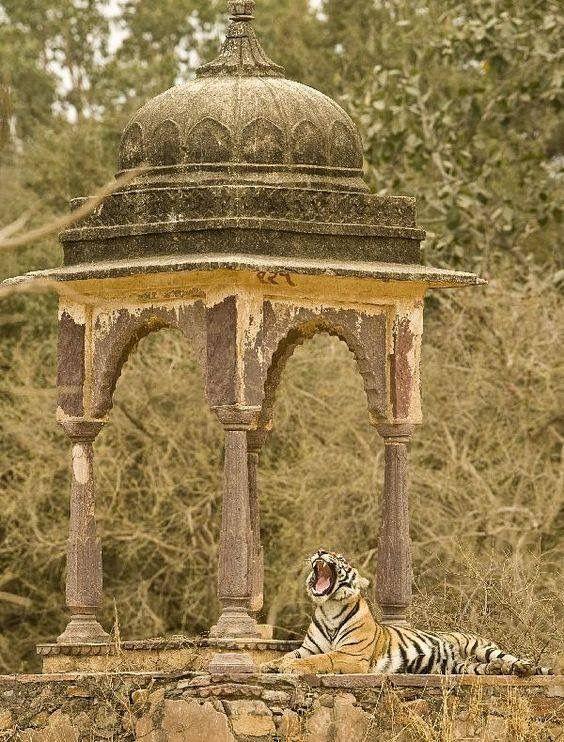
The UNESCO-listed bird sanctuary at Bharatpur shelters over 370 bird species across wetlands and woodland. A cycle-rickshaw or walking safari is one of the most peaceful experiences on any North India itinerary. Rare Siberian cranes winter here between October and February.

Optional

Jaipur–Delhi Flight (Day 5)

For travellers with an international connection, a morning flight from Jaipur to Delhi replaces the 5-hour road journey and ensures a relaxed arrival at IGI Airport.

Responsible Tourism

“Taking into consideration the well-being of animals, we as a responsible tour operator do not encourage the ride nor any activities related with the animals.”
Journey at a Glance

Duration5 Days / 4 Nights
Best SeasonOctober – March
Destinations4 Cities
PricingRequest a Quote
The Golden Triangle: Delhi, Agra & Jaipur gallery image 1
The Golden Triangle: Delhi, Agra & Jaipur gallery image 2
The Golden Triangle: Delhi, Agra & Jaipur gallery image 3

Plan This Journey

Om will personally respond to your enquiry.

Choose a full journey, a short trip, or both.

Your information is safe with us. We will never share your details.

Or reach us directly: WhatsApp Email

Begin This Journey

Ready to Experience The Golden Triangle?

Share your vision and Om will craft your India experience.