Harvest and Khalsa — Punjab's Joyous Spring Festival
About This Festival
Baisakhi
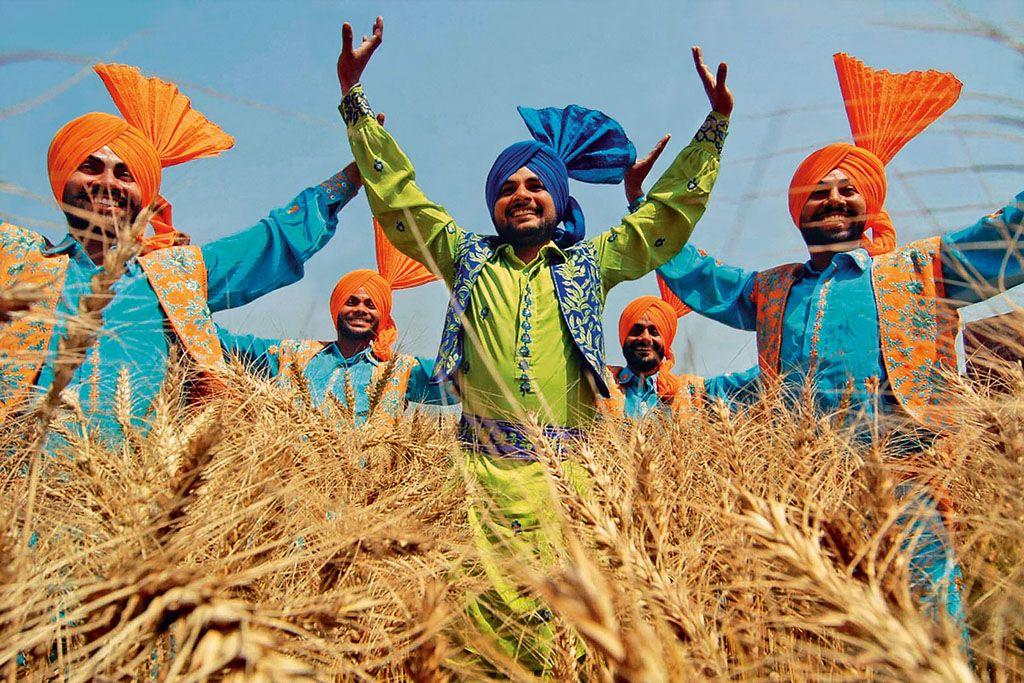
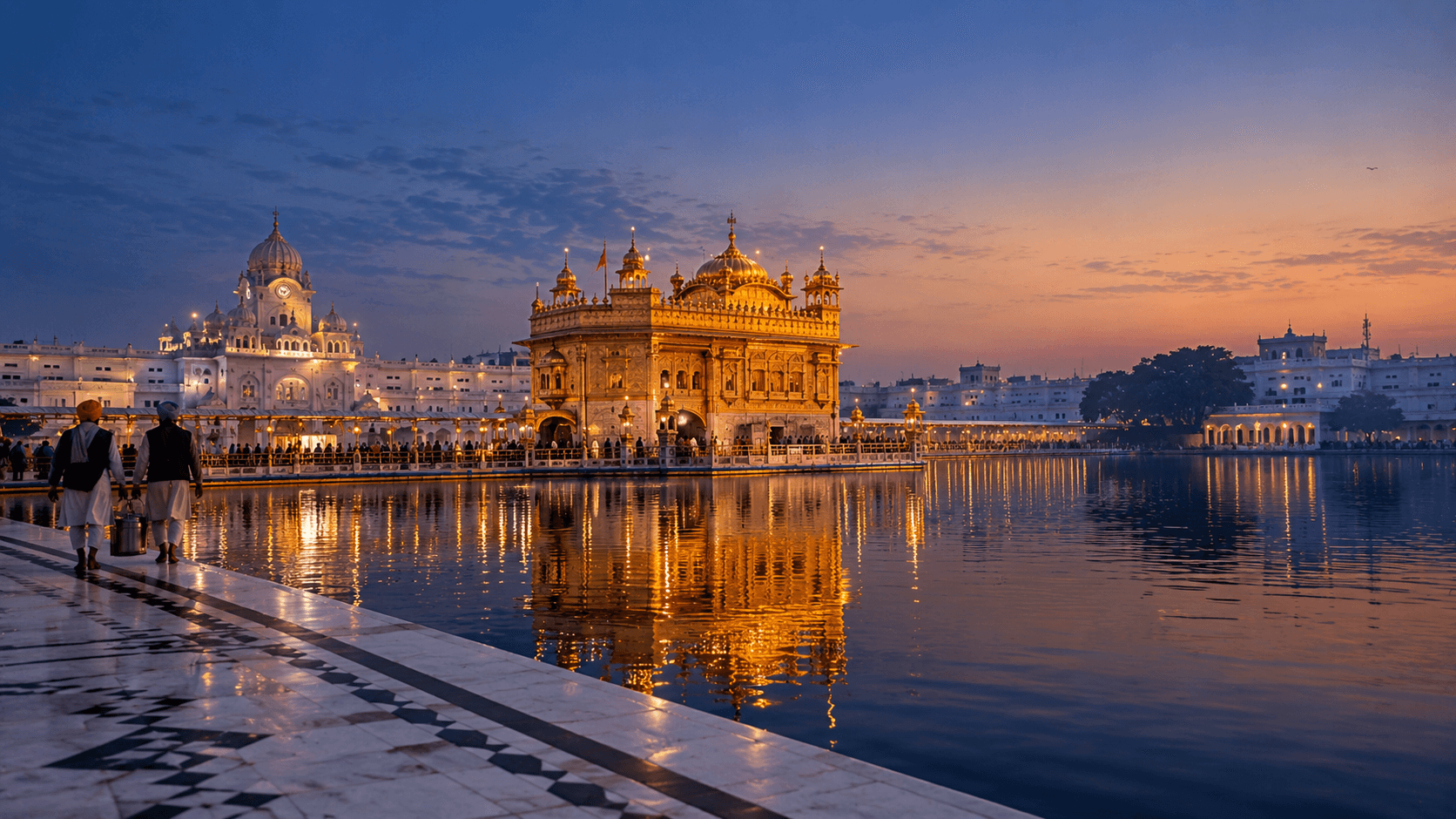
Baisakhi is one of the most important festivals of Punjab and North India, celebrated around 13 or 14 April when the Sun enters Mesha (Aries) in the traditional solar calendar. Baisakhi has two particularly important dimensions. First, it is an agricultural harvest festival, especially important to Punjab's farming community, marking the arrival of the wheat harvest. Second, it is a major Sikh religious festival, commemorating the creation of the Khalsa at Anandpur Sahib on 30 March 1699 by the 10th Guru Gobind Singh. On Baisakhi, people visit gurudwaras, listen to devotional music, participate in processions and share Langer — the community meal in which everyone sits together regardless of social background. Outside the religious celebrations, one can experience the great cultural traditions of Punjab: Bhangra, Giddha, the dhol and colourful processions. So Baisakhi brings together two fundamental aspects of Punjab: the agricultural life of its countryside and the spiritual and historical heritage of the Sikh community. For a foreign visitor, Baisakhi is particularly interesting because it combines fire worship, agriculture, community celebration, music, dance and traditional Punjabi food. Amritsar — home of the Golden Temple and the site of the original Khalsa creation — is the most significant location for experiencing Baisakhi at its most authentic and meaningful.
Where to Celebrate
Best Locations
Amritsar
Punjab
North India
Plan Your Visit
Journeys That Include This Festival
perfect match 15 days
North India Unveiled: Rivers, Forts & Palaces
This journey visits the Golden Temple at Amritsar — the heart of Baisakhi celebrations and the birthplace of the Khalsa.